


There’s a particular weight that sits in the chest when life feels less like living and more like enduring. It’s not the sharp pang of a crisis or the roar of trauma. It creeps in like fog, settling into the corners of your days, curling around your shoulders.
It whispers, “This is all there is.”
Suddenly, every choice feels like a chain, every interaction a rehearsal, every morning a repeat of the one before.
This is the experience of feeling trapped.
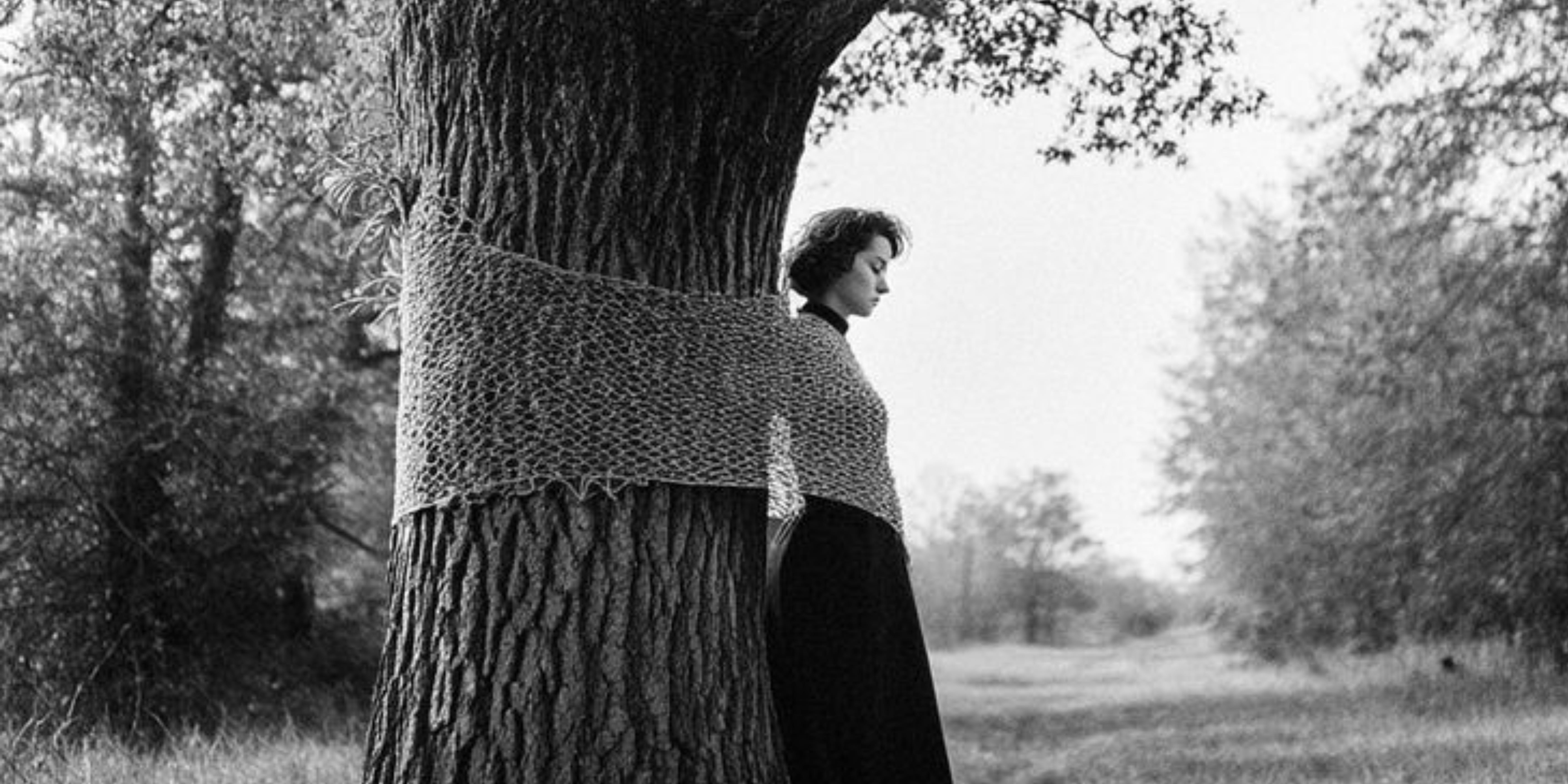
It is a psychological state we often overlook because it doesn’t announce itself with fireworks. It comes from living a life where your story has been written by others: expectations, duties, comparisons, and cultural scripts. We absorb messages early and often: be responsible, be liked, be successful, be perfect. The self you might have known begins to shrink under the weight of obligation.
At first, it feels comforting. The familiar is predictable, even if it stings. There’s safety in routine, in performing the role expected of you. But over time, that comfort turns brittle. Life begins to hum with a low vibration of dissonance. You move through the motions, but the motions aren’t yours. Work feels endless. Relationships feel muted. Your own desires, hopes, and curiosities become background noise.
This entrapment doesn’t just affect the mind. It spills into the body. Muscles tense without reason, sleep fractures into restless fragments, the stomach knots itself around unspoken questions.
Anxiety, guilt, and self-reproach thread their way through the day. You may find yourself scrolling endlessly, busying yourself with distraction, trying to outrun the voice that asks the quiet, impossible questions: Who am I? What do I really want? Have I even lived at all?

The origins of this trapped feeling are layered. Sometimes it stems from early life of family expectations, school pressures, social roles. Sometimes it is the accumulation of grief, heartbreak, loss, or trauma that reshapes the landscape of your self. Sometimes it is the inertia of decades of compliance, compromise, and survival, where every small choice nudged you further from your authentic self. Or it’s all of these at once.
When we feel trapped, our connection to ourselves frays. Joy becomes faint. Curiosity dims.
We forget what it feels like to act from desire rather than obligation. Interactions with others feel hollow, as if we are wearing a mask of someone we’ve become by habit and necessity. Even the mind rebels: indecision, rumination, and mental fatigue become constants. Existential needs like authenticity, belonging, purpose, meaning go unmet, and with them, hope itself can begin to feel like a distant echo.
The awareness of the entrapment is the first crack in the walls that confine us. Naming it, seeing it, and giving it voice begins the unfolding process of liberation.

Therapeutically, this is where narrative work, existential reflection, and compassionate witnessing come in. We don’t rush. We don’t force the walls down. We sit with the discomfort, like a patient cartographer, mapping where the self has been stifled, and where it might grow again.
The journey out of this feeling is rarely linear. It asks patience, curiosity, and courage. It begins with noticing small fissures: a fleeting desire, a suppressed thought, a spark of curiosity. It continues with choice, intentional decisions, aligned with values and inner truth.
It deepens through reflection and understanding which chains were never ours, which roles we have outgrown, and which fears are ready to be met. And it ripples outward by reclaiming voice, reclaiming agency, reclaiming the right to live a life that is unmistakably, unapologetically ours.
Feeling trapped is not weakness, it is a signal. It is the mind’s way of saying that there something is alive within you that wants to be known, heard, and lived.
It is a call to self, to presence, to authenticity. And it is the starting point for every meaningful turn, every courageous shift, every moment when we step into ourselves and whisper, this life is mine to inhabit

.