There are certain times of year when our relationship with consumption becomes particularly obvious.
We are surrounded by messages telling us what we want, what we need, what will make us happier, and what we should buy before it disappears.
It is all so nonsensical.
This is not to say gifts themselves are immoral or that wanting things is inherently problematic - gifts are a whole love language, some say. It is to say that we have become, perhaps, uncertain of expressing love, intimacy, gratitude in ways that do not rely solely on acquisition.
This is also not to say that our desires are immoral - quite the contrary, our desires hold deep wisdom. It is to say that our desires are heavily influenced by media and commercialism, that we are driven as a species to reduce pain by disappearing into pleasure and that our desires may not wholly be our own.
It is imperative we inquire into our desires, to not take them at face value but to hold with open curiosity - why do you desire this ornate glass vase from Home Sense? What value does it actually hold for you? What need does it actually meet?
There is no judgement of you as a person if you partake in the rituals of acquisition, tearing boxes and hangars from the hands of your fellow humans in the name of getting what you want - no, this is an inquiry into the systems and corporations that intentionally wield psychological strategies to achieve their bottom line.
And it isn’t only sales that create this dynamic.
Viewing a regular priced item on its own has a certain dopamine incentive, but viewing that same item with “Rare Find” or “4 people have this in their cart” or “your cart will expire in 5 minutes” triggers a non-pre-existing need. The idea of scarcity, that this item is limited, that it will cease to exist, initiates a “must have” cascade in our brain-body system.
It is our own fear of non-existence that we believe we must OWN this item - in possessing this item that will disappear without me, I am saving it {and me, in the process} from annihilation.
This is just a projection of our own fear of the abyss of nothing, expertly prodded by systems that affirm this scarcity. The McRib is the best example because it isn’t spectacular, but it is available for a limited time and those constraints make it even more tantalizing than if it were available year round.
Scarcity works as a tool of control because most of us were raised with conditional love, where we had to earn love and when we had love, it could be taken away if we weren’t “good”.
Consumerism works the same way - you must earn your acceptance by following the rules of trend and if you aren’t contributing to the economy by getting into debt, you are unpatriotic.
We experience love as a finite resource, something to be rationed and tucked away - not the immersive, infinite experience of limitless beauty that love truly is.
We play into consumerism even if our highest morals beg us not to because there are entire systems that are triggering our attachment wounds, our dopamine reward centres and our worst fears of scarcity are being confirmed everyday in commercials (“limited time offer”).
Consumerism works because we have a cultural intolerance to space, but we need space.
We need to let a cake rest before cutting it. We need to let pottery sit before firing it.
The compulsivity to fill our lives - to spend beyond our means, to purge & donate car loads twice a year, only to fill the space with the next load of what-you’re-supposed-to-desire - keeps us chasing a dragon.
We are seeking inner peace from external acquisition.
It won’t happen.
Our intolerance has us chained to a hedonic treadmill, constantly chasing happiness from a new boat, or a new car, or new clothes - but we’re on a treadmill. We’re going nowhere.
And also - we cannot critique the system without acknowledging the need the system is meeting, the purpose it is serving.
Consumerism has taken the place of our attachment needs as we have become increasingly individualistic. Leaving behind our collectivist roots has not severed the deeply rooted need of attachment.
Consumerism has promised we will both give and receive love through this third party of gifts.
We have it all backwards.
We experience the earths’ resource as being infinite (even though we learn in the third grade about non-renewable resources, it’s literally in the name) and we experience love as a finite resource.
It is love that is infinite - and not a measly, carrot-on-a-string love - but a heart cracking open kind of love.
That kind of love isn’t going anywhere.
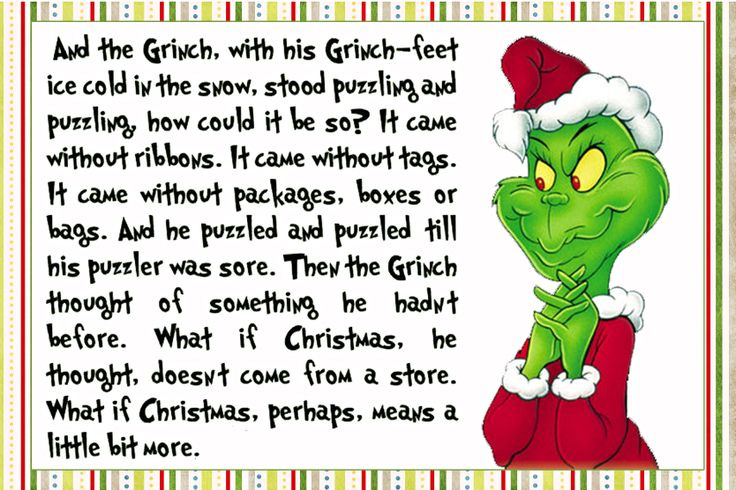
That kind of love cannot be bought from a store.